NHTSA Proposes Cyan Lights for Driverless Vehicles
Federal regulators are suggesting a standardized blue-green glow to help road users identify when an automated system is in control of a car.
By Zanele Khumalo ·
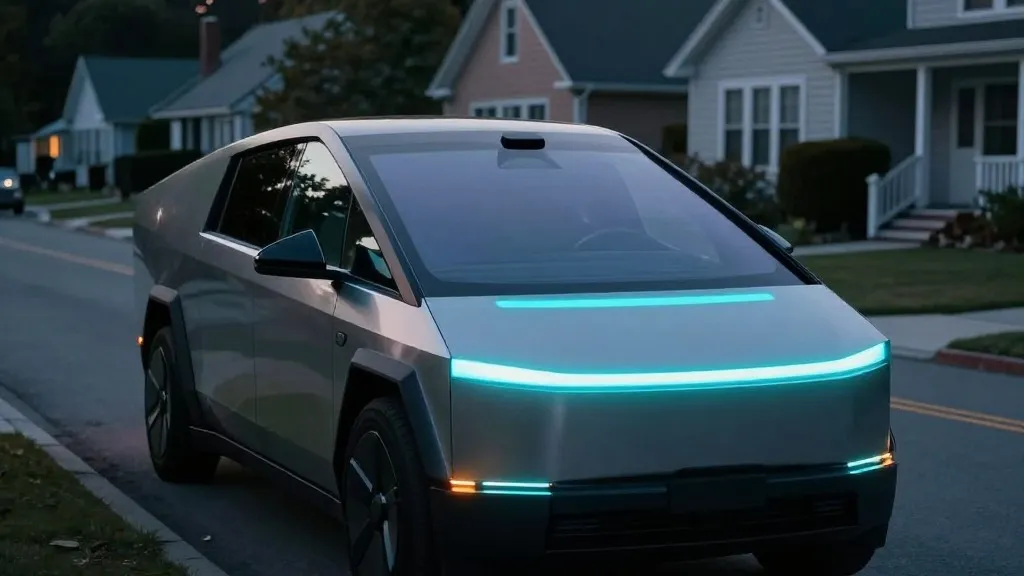
The National Highway Traffic Safety Administration has officially proposed that driverless vehicles display distinct cyan-colored lights to indicate that no human is operating the car. This move aims to create a uniform visual signal for law enforcement and other motorists, replacing years of debate over whether to use flashing text, audio alerts, or custom lighting configurations. By establishing this specific color requirement, the agency hopes to eliminate confusion on the road while standardizing how autonomous vehicles communicate their status.
The choice of cyan is strategic, as it fills a visual gap in the current automotive lighting spectrum. Existing regulations already reserve red, amber, white, and flashing blue or red lights for functions like braking, turn signals, headlights, and emergency vehicles. By introducing a blue-green hue, regulators believe they can provide a clear identifier that does not conflict with established meanings. While Mercedes-Benz previously received state-level approval for similar turquoise lights on its Level 3 Drive Pilot models, the automaker later abandoned that specific design. Nevertheless, the federal proposal offers a national standard that operators like Waymo, Nuro, and Zoox, along with manufacturers such as GM and Mercedes, could adopt uniformly.
Under the proposed changes to Federal Motor Vehicle Safety Standard No. 108, these cyan marker lamps would be optional for manufacturers. However, if a company chooses to install them, the rule would mandate specific standards for color, brightness, and location. This ensures that any vehicle using the signal maintains a consistent and legal setup, preventing a fragmented landscape where different companies use varying colors or intensities. The goal is to make the signal universally recognizable, regardless of the vehicle brand or the specific autonomous platform being used.
Beyond the new lighting requirements, the agency is also proposing to remove several regulations that do not apply to vehicles without human drivers. Current rules require physical hazard switches, manual beam shifters, and turn levers inside the cabin, all of which are unnecessary for fully autonomous operation. NHTSA seeks to eliminate these mandates, allowing automakers to design interiors without these traditional controls. Additionally, the proposal updates the 12.8-volt testing standard to accommodate modern LED architectures, reducing administrative hurdles for manufacturers building next-generation vehicles.
This regulatory update is part of a broader push by the Department of Transportation to streamline the deployment of autonomous vehicles. The administration aims to make it easier for companies to build cars that lack traditional human-operated controls like steering wheels and pedals. However, the transition is not without friction, as regulators continue to enforce existing rules strictly. Last month, NHTSA opened an audit query into the Tesla Cybercab to examine the technical data used for its certification, specifically questioning the absence of sideview mirrors, pedals, and a steering wheel, which are currently required under FMVSS.
For readers in New England, this proposal signals a shift toward a more integrated future for robotaxis in the region. As local roads become shared spaces for both human and autonomous drivers, having a standardized visual cue could significantly improve safety and awareness. The cyan light would serve as a clear indicator that the vehicle is operating under automated control, helping drivers and pedestrians adjust their behavior accordingly. While the rule is still in the proposal stage, it represents a significant step toward creating a cohesive framework for the next generation of transportation.
Source: The Verge